
Turning technical complexity into scalable, adoption-ready systems
Executive Summary
Enterprise initiatives spanning API enablement, tasking platforms, and reporting modernization required aligning workflows across complex systems. I partnered with Product and Engineering to clarify requirements, streamline processes, and design the workflows and interfaces that translated operational complexity into build-ready solutions.
Defined a scalable platform model that exposed core capabilities through APIs, enabling partner teams to build and integrate new services. I designed the interfaces and workflows used by internal teams to configure and manage API integrations.
PROBlem
Expanding Developer API and SMB SaaS
Fragmented onboarding
Unclear technical dependencies
No shared end-to-end journey
Adoption friction
APPROACH
Created service blueprint to expose gaps
Aligned backend priorities to onboarding needs
Designed developer-focused marketing experience
Prototyped Universal API demo
outcomes
Improved cross-team alignment
Reduced developer onboarding ambiguity
Strengthened developer experience
Enabled shared leadership planning
Increased confidence in API adoption
Interactive Service Blueprint
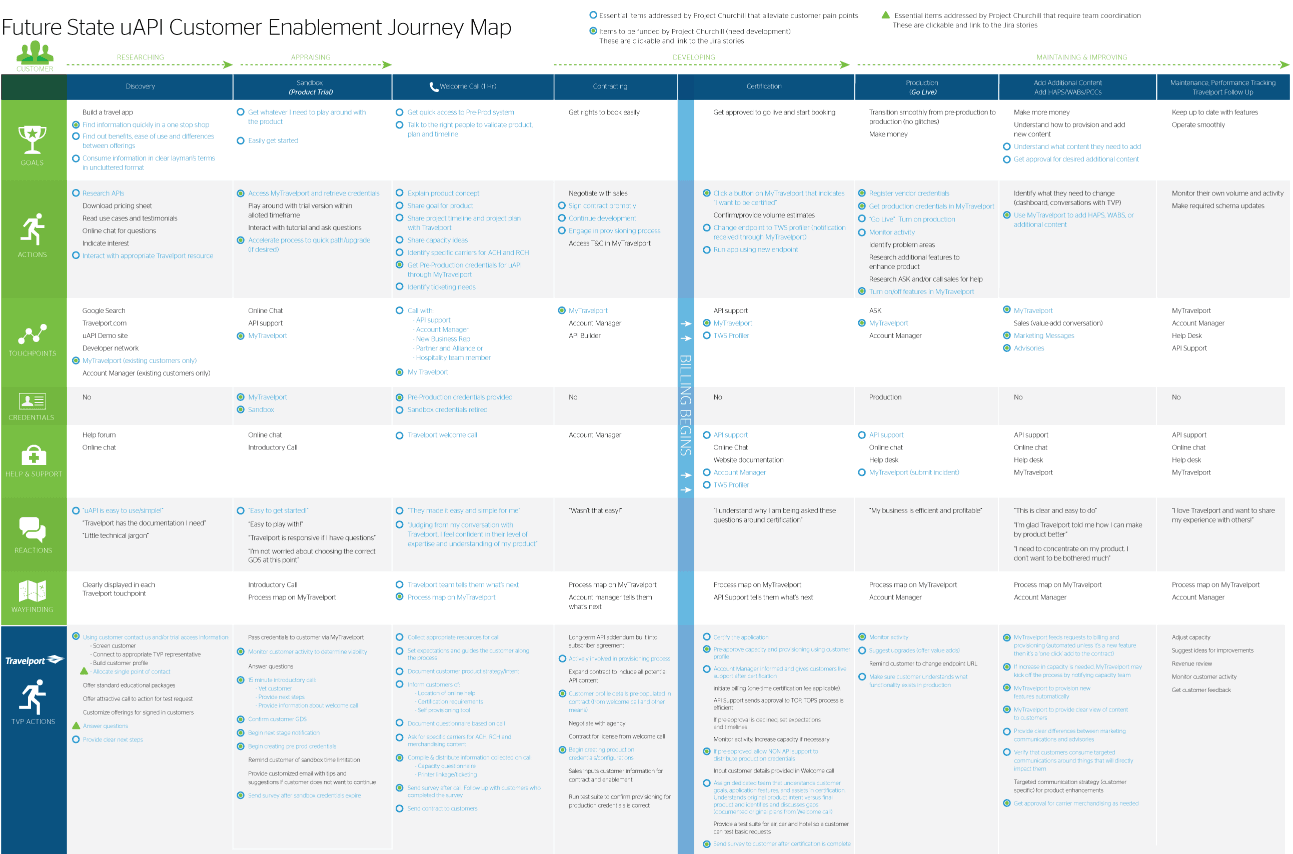
Cross-functional blueprint aligning Product and Engineering around the full developer journey.
Revealed systemic roadblocks limiting scalable adoption
Reduced reliance on high-touch technical support
Established foundation for a more self-service, SaaS-oriented platform
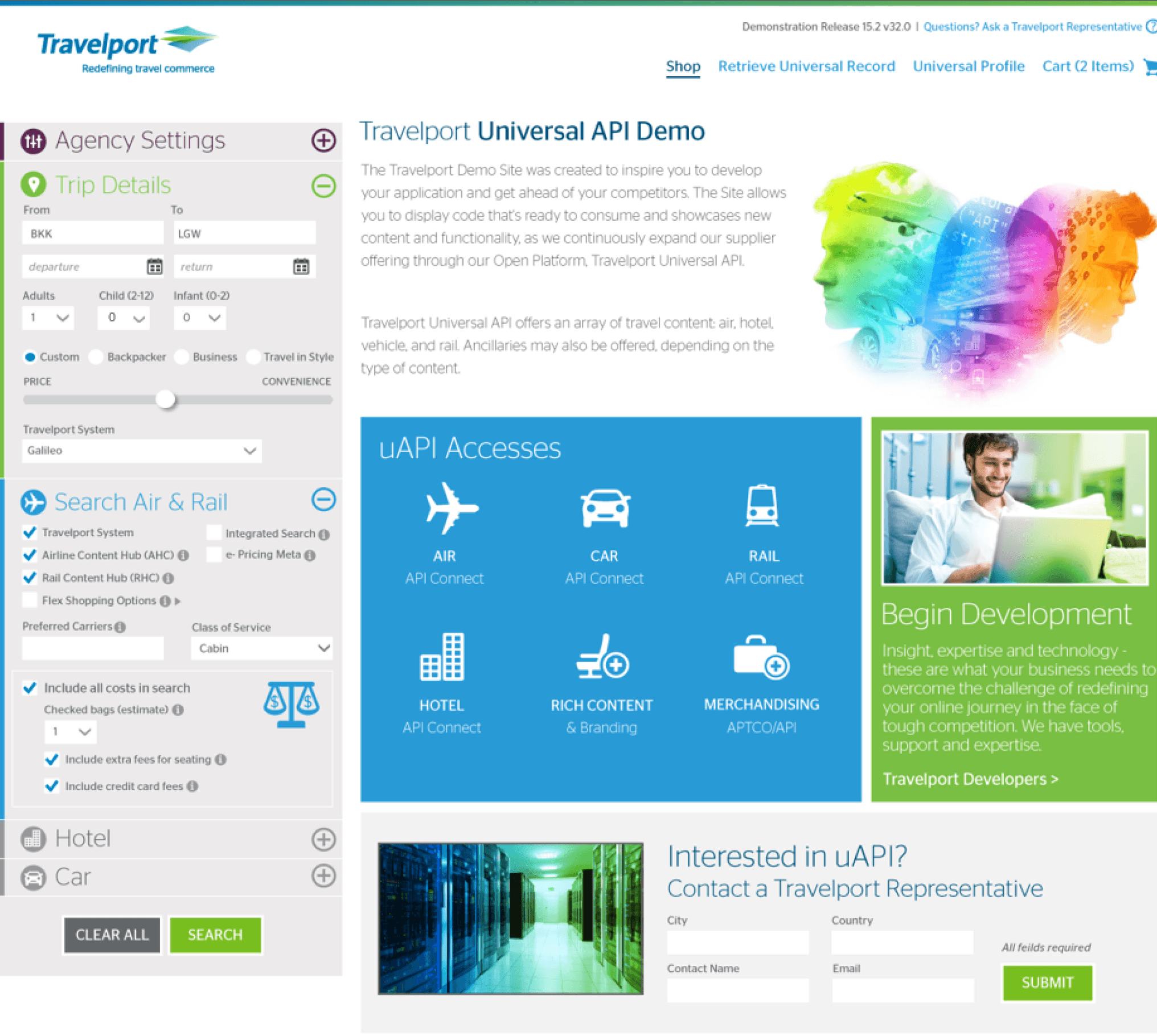
Universal api Demo
Context
Developers struggled to understand API behavior across product lines. Documentation alone wasn’t enough.
Solution
Browser-based demo with preconfigured API calls
Real-time response simulation
Guided multi-step booking flows
Impact
Increased developer confidence
Reduced integration ambiguity
Supported sales demos and onboarding
Turned complex APIs into an experiential entry point.
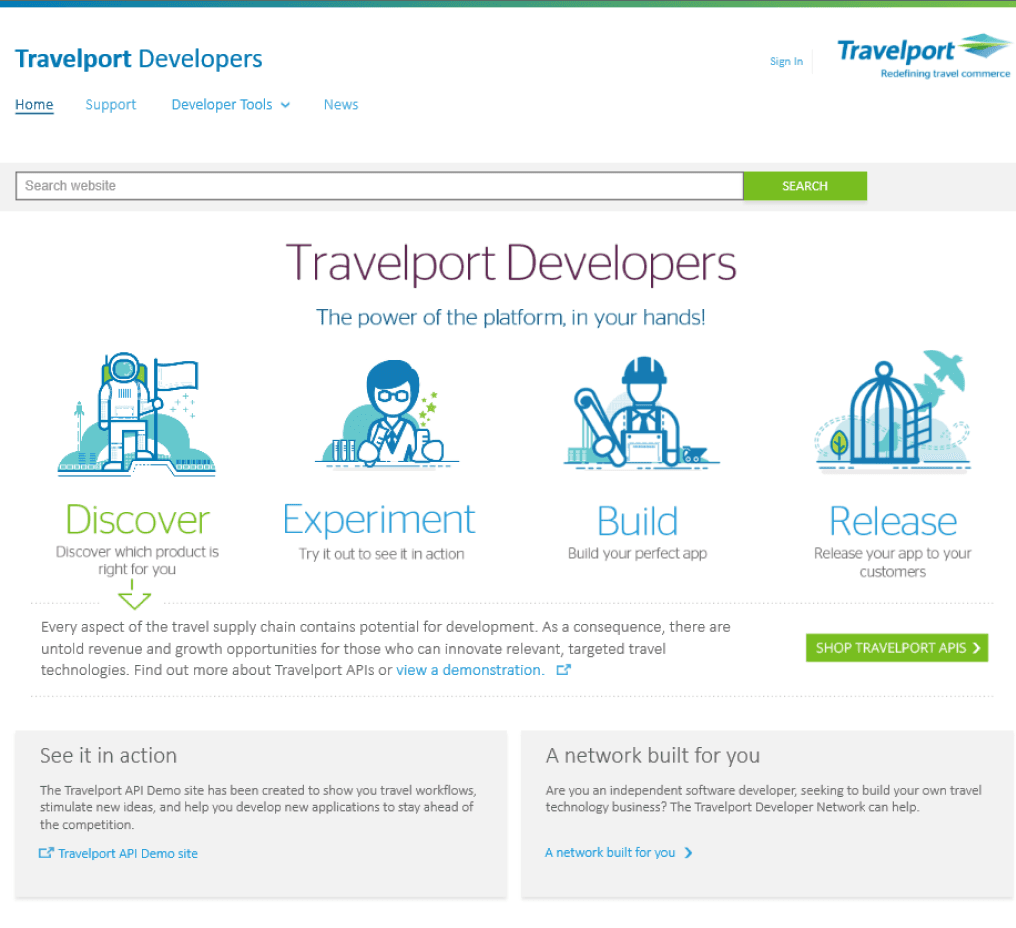
developer marketing
Context
The existing developer portal lacked clear entry points and cohesive positioning.
Solution
Reorganized IA around developer goals
Defined “Discover → Experiment → Build → Release” progression
Integrated demo and documentation pathways
Impact
Reduced onboarding ambiguity
Strengthened developer-facing presence
Aligned marketing, product, and engineering
Explored whether to evolve the existing approval pattern or redesign the interaction model to better support faster, higher-confidence decisions.
PROBlem
20+ domains operating independently
Fragmented systems and inconsistent workflows
No shared prioritization model
Limited enterprise performance visibility
APPROACH
Mapped cross-domain ecosystem
Led normalization and prioritization workshops
Standardized task structures
Designed executive visibility model
outcomes
Improved cross-domain alignment
Established clear prioritization framework
Increased internal adoption
Delivered executive-level tasking visibility
TASKING DASBOARD
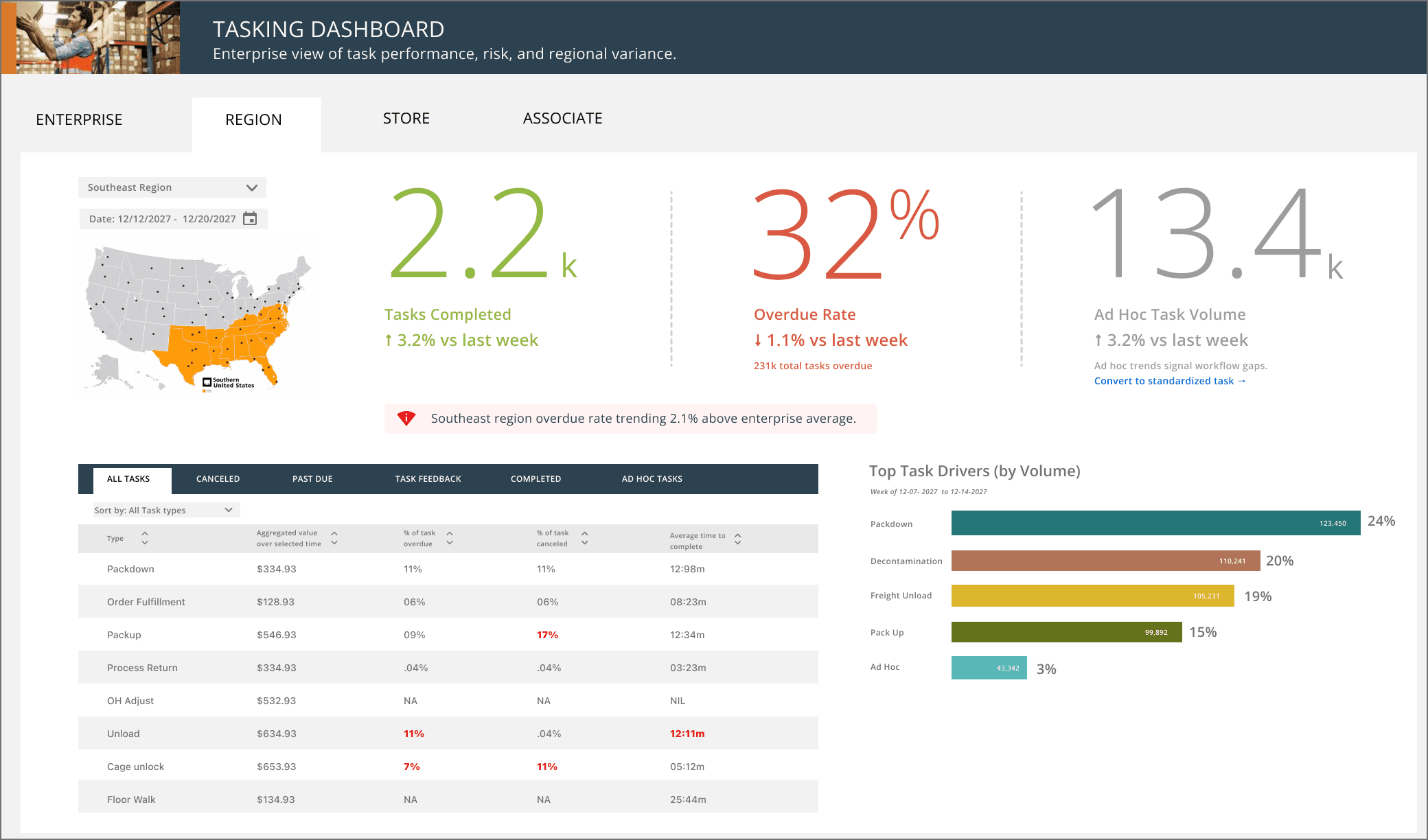
Conceptual executive dashboard designed to surface throughput, overdue risk, and emerging process signals in a single view.
Highlights include:
Enterprise-level performance metrics
Overdue trend tracking and regional variance
Ad hoc task volume as a signal for workflow standardization
This model connected normalized task data to actionable executive insight.
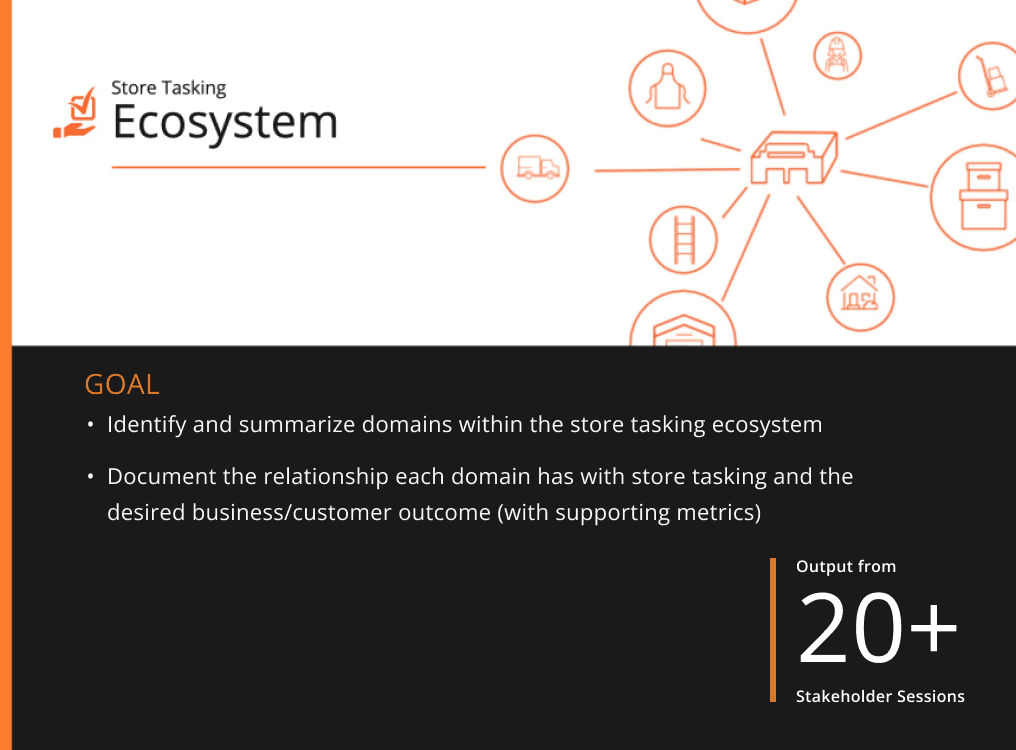
Ecosystem Alignment Across 20+ Domains
Enterprise-wide audit mapping store tasking systems, ownership boundaries, and value delivery across domains.
This work clarified:
Overlapping responsibilities
Redundant task flows
Gaps in visibility
Opportunities for shared governance
The ecosystem view became the foundation for normalization and prioritization efforts.
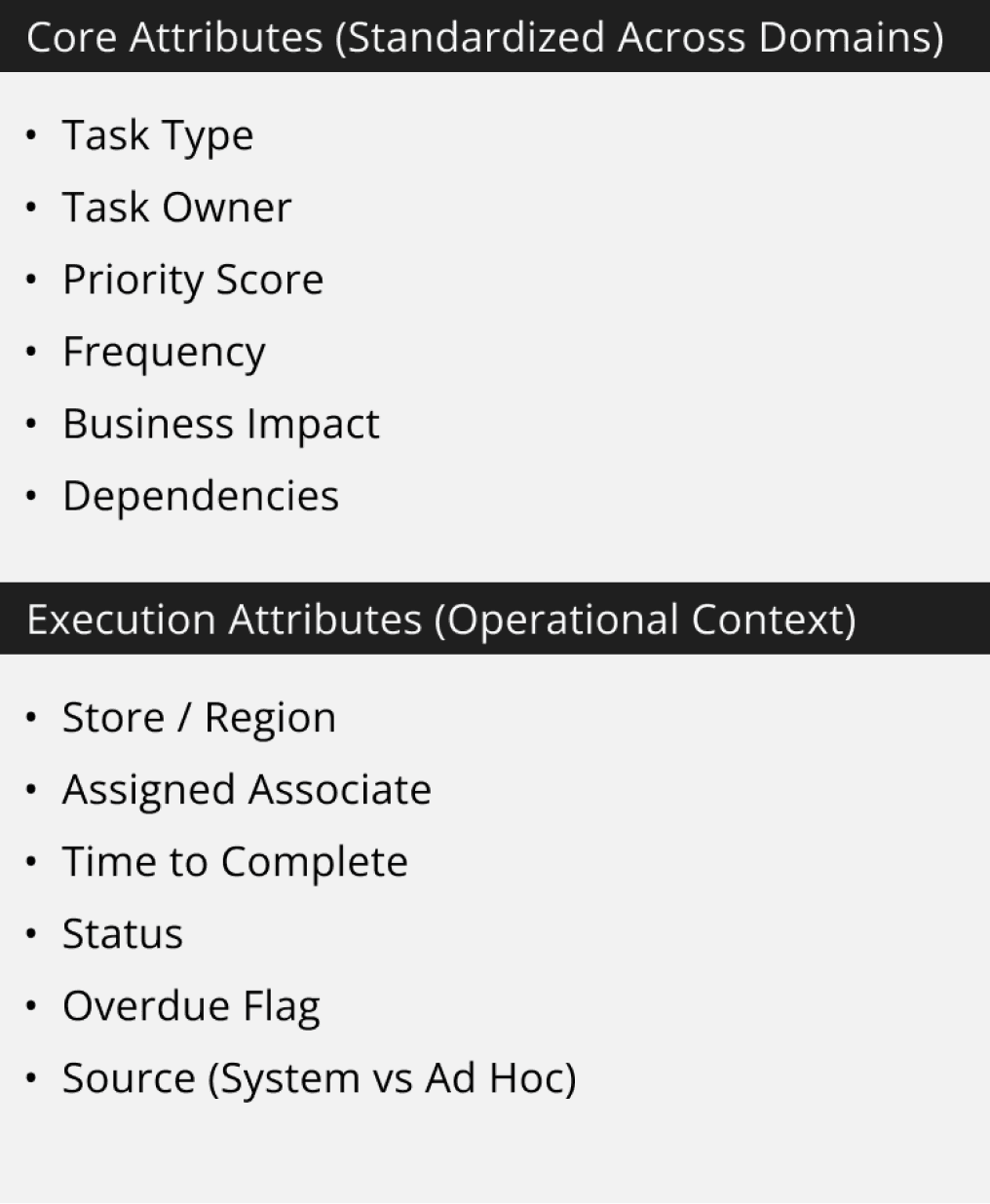
task normalization model
Reworked legacy reporting workflows to improve data clarity and make operational insights easier for teams to access and act on. I designed the reporting interfaces and interaction model used to explore and validate operational data.
PROBlem
65+ legacy operational reports targeted for cloud migration
Unclear ownership and usage
Redundant and overlapping reporting
Paper-dependent critical workflows
APPROACH
Defined evaluation framework
(retire, migrate, redesign)Assessed usage, criticality, redundancy
Mapped reports to target cloud systems
Embedded with inventory team to document workflows
Designed digital SKU counting concept
outcomes
Structured migration decisions across 65+ reports
Reduced transition risk
Preserved critical operational insights
Proposed digital inventory model to improve coordination
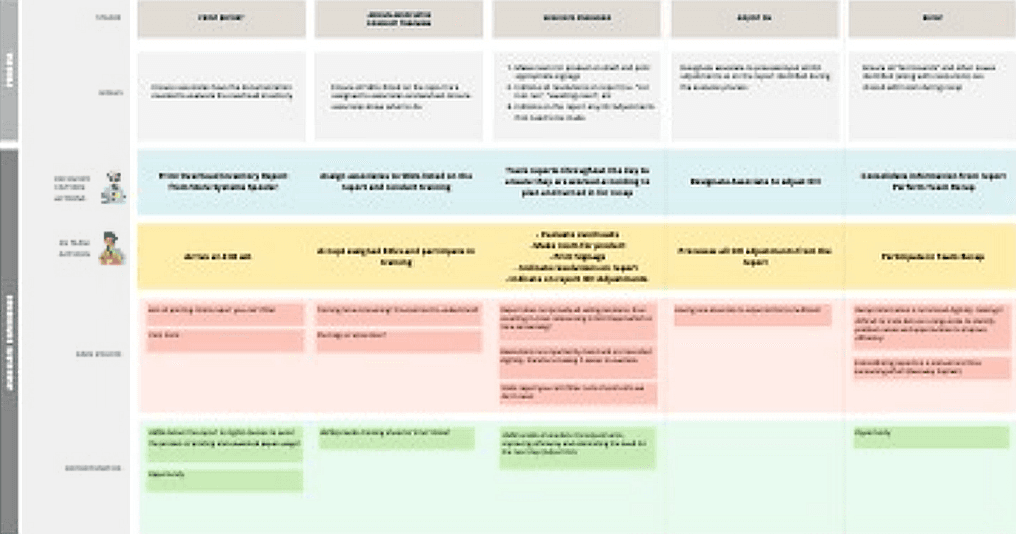
annual inventory mapping
On-site observation and interviews documenting how legacy reports supported manual SKU counting and coordination.
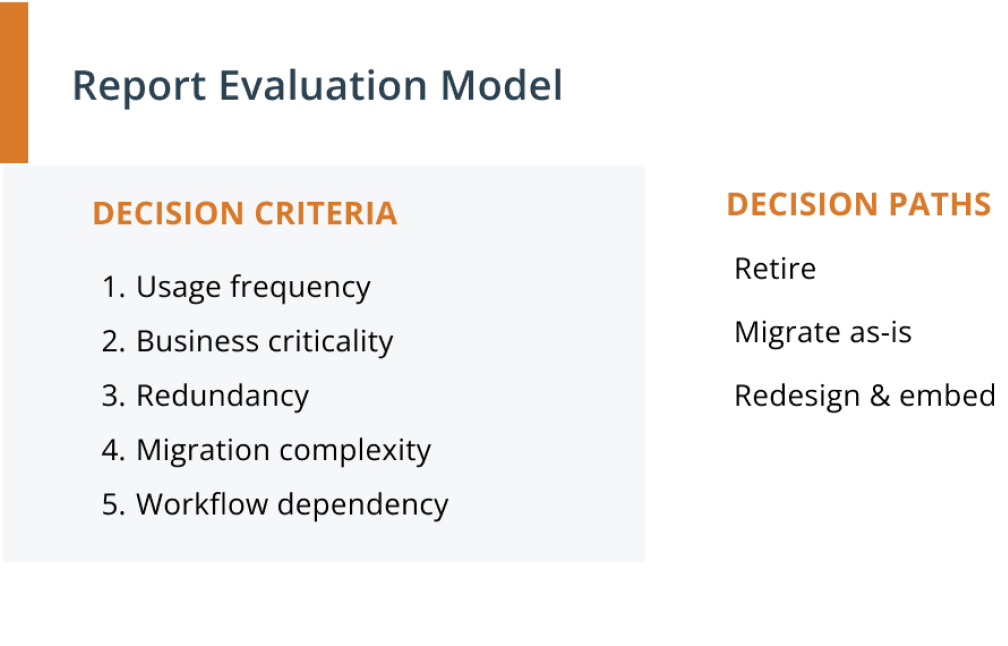
Legacy Report Evaluation Framework
Standardized model used to assess each report prior to cloud migration.
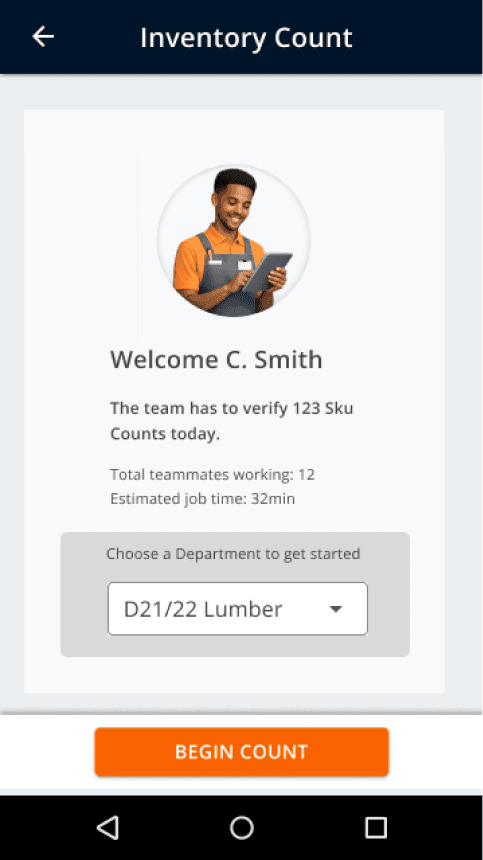
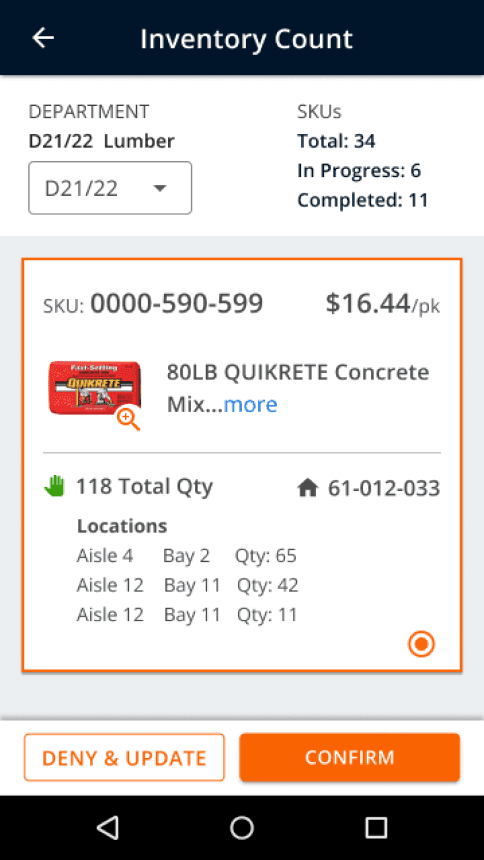
Digital Inventory Counting Concept
I designed a mobile-first solution enabling real-time SKU entry and coordination, eliminating paper-based counting and preventing task overlap.


