
DRIVING TRAVEL INNOVATION
Led 10+ Google Design Sprints that aligned teams, prototyped new travel tools, and informed product strategy.
Overview
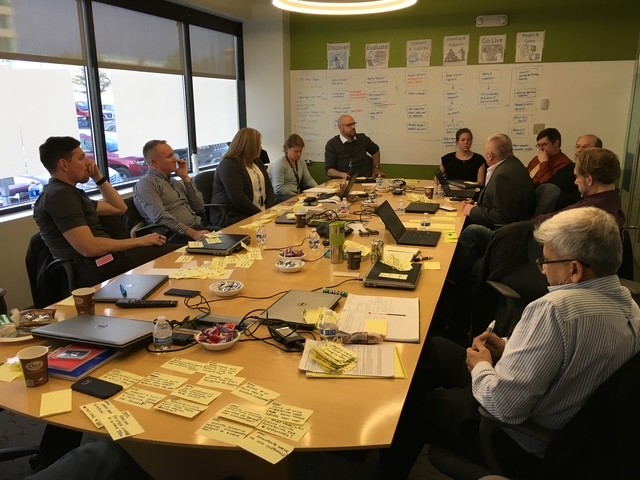
At Travelport, senior leadership frequently turned to UX to help explore complex problems and evaluate new product opportunities across the travel ecosystem.
To accelerate innovation and reduce product risk, I facilitated 10+ Google Ventures Design Sprints, bringing together product managers, engineers, commercial leaders, and travel industry specialists.
These workshops helped teams rapidly:
frame complex enterprise problems
align on shared goals
prototype solutions
validate ideas with users in days
Several outcomes informed product strategy and influenced roadmap decisions across Travelport’s platform.
The Challenge
The travel industry presents unique UX challenges:
Highly complex booking workflows
Multiple stakeholders (airlines, agencies, travelers)
Legacy GDS systems and agency tools
High cost of operational errors
Leadership needed a structured way to:
• Explore new product opportunities
• Align cross-functional teams quickly
• Prototype and test ideas before committing engineering investment
My Role
I led the end-to-end design sprint process.
WOrkshop facilitation
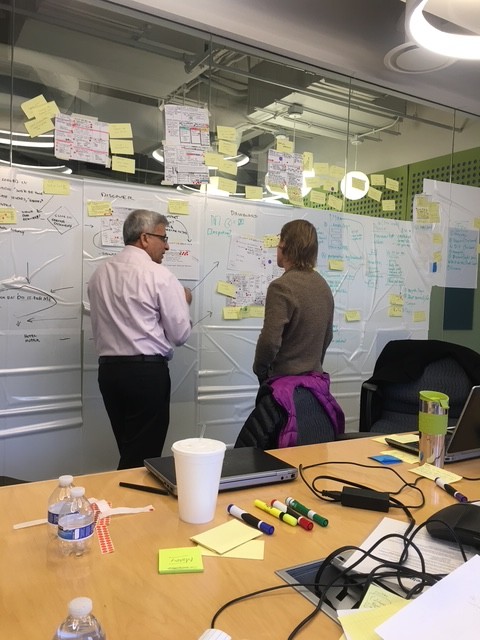
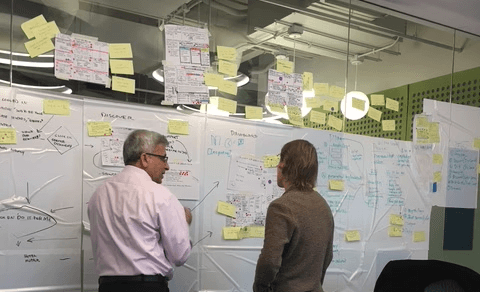
Facilitated multi-day Google Design Sprints
Brought together product, engineering, and business stakeholders
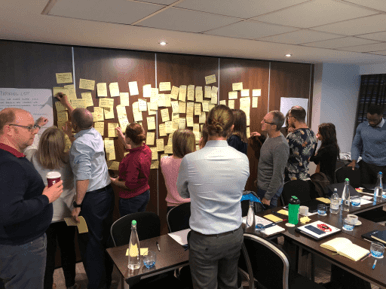
Used structured exercises to align teams and surface insights
PROBLEM FRAMING
Synthesized research and business goals
Defined sprint questions and success criteria
Guided teams toward clear opportunity spaces
rapid prototyping
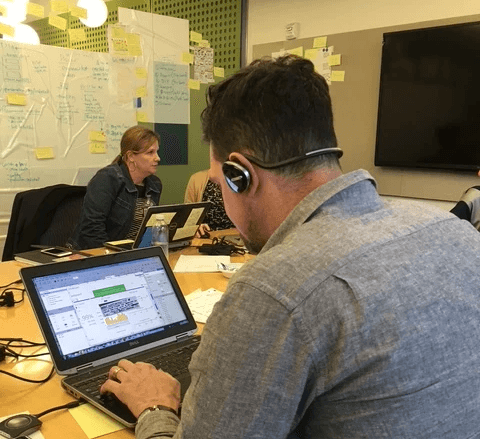
Designed high-fidelity prototype concepts from sprint outcomes
Translated workshop ideas into testable product experiences
Built interactive prototypes for Day-5 user validation
sprint process
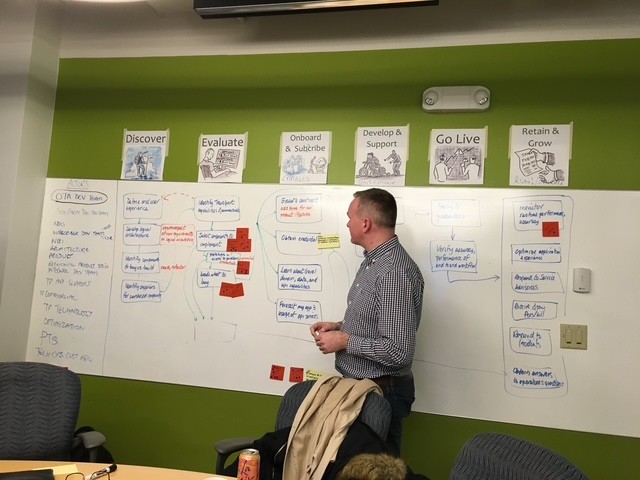
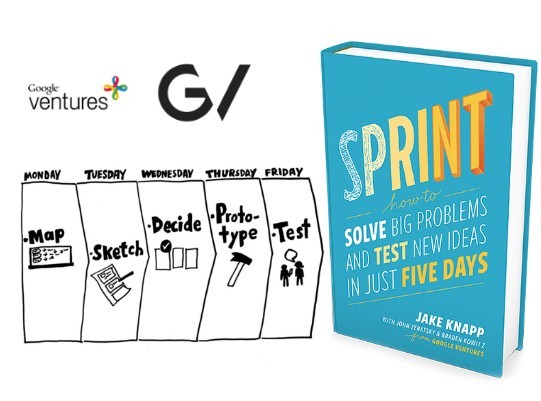
I used the Google Ventures Design Sprint to help teams rapidly explore complex product challenges and align on solutions. The five-day workshop brings together product, engineering, design, and business stakeholders to map the problem, generate ideas, prototype concepts, and test them with users.
By compressing months of discovery into a single week, teams can evaluate opportunities and reduce risk before committing engineering resources. I facilitated the sprint and designed the interactive prototype tested with users on the final day.
These concepts emerged from Google Design Sprints exploring ways to improve efficiency, decision-making, and traveler experiences across the travel ecosystem. I designed the prototype interfaces and interactive flows used to test these ideas.
agency efficiency tool
Context
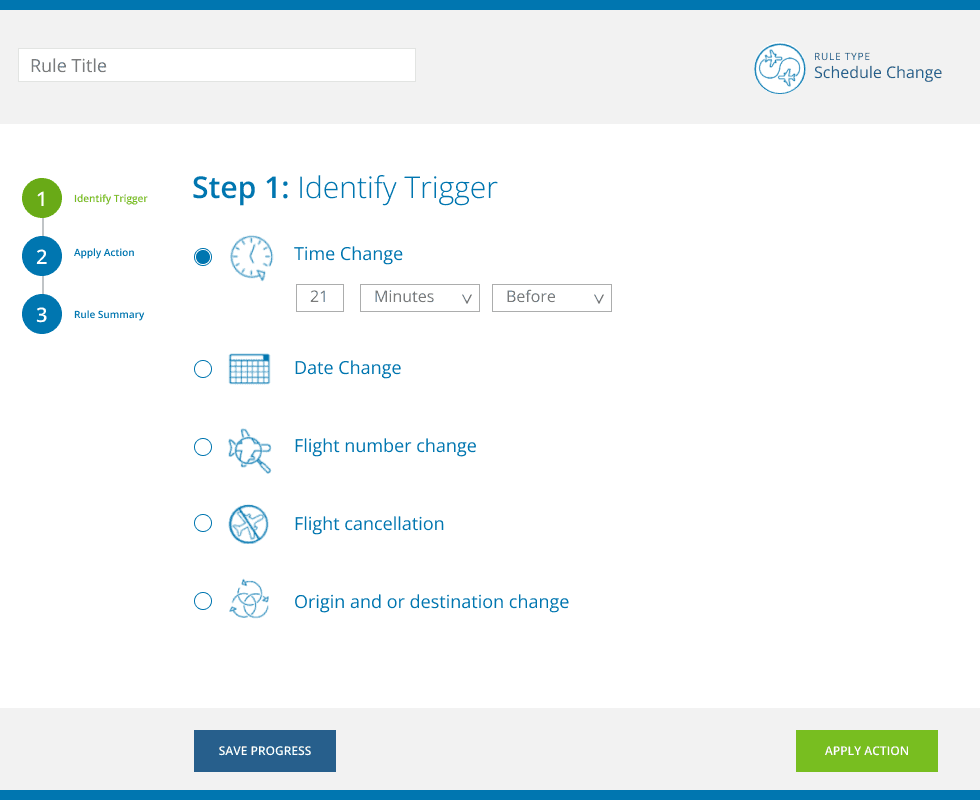
Travel agencies manage frequent schedule changes, cancellations, and booking updates across multiple systems. Many workflows required manual intervention, increasing operational cost and risk of error.
Concept
A workflow automation tool that monitors itinerary changes and triggers predefined actions.
Automated responses to schedule changes
Rule-based workflow configuration
Notifications and task management for agents
Impact
Reduced manual intervention for routine changes
Improved operational efficiency for agency teams
Demonstrated how automation could lower servicing costs
CONversion scoring
Context
Travel agencies wanted better visibility into how travelers moved through the booking process and where they abandoned sessions. Product teams lacked clear signals for identifying friction in the conversion funnel.
Concept
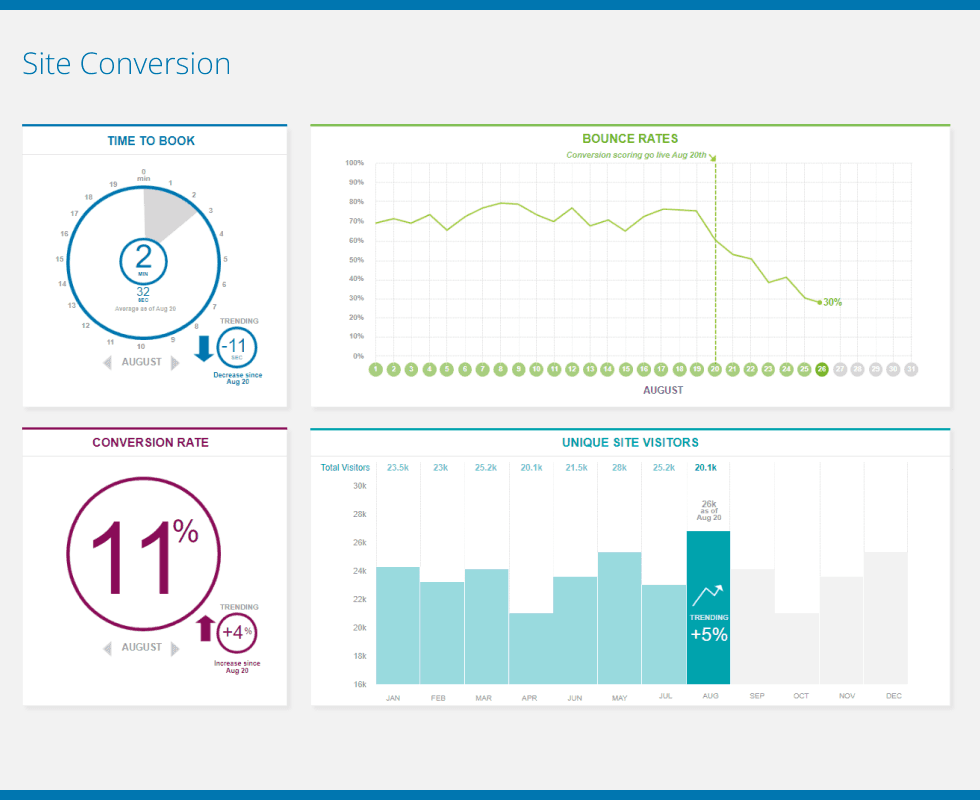
A dashboard concept designed to surface booking conversion signals and behavioral trends across the traveler journey.
Tracked time-to-book and other indicators of booking friction
Visualized bounce rate trends after product changes
Monitored overall conversion rate and traffic patterns
Highlighted shifts following new scoring models
Impact
Gave teams clearer insight into booking behavior
Helped identify friction points affecting conversion
Enabled data-informed discussions about UX improvements
FLight availability tracker
Context
Travel agencies and travelers struggle to determine the best time to purchase tickets as flight prices and availability change frequently.
Concept
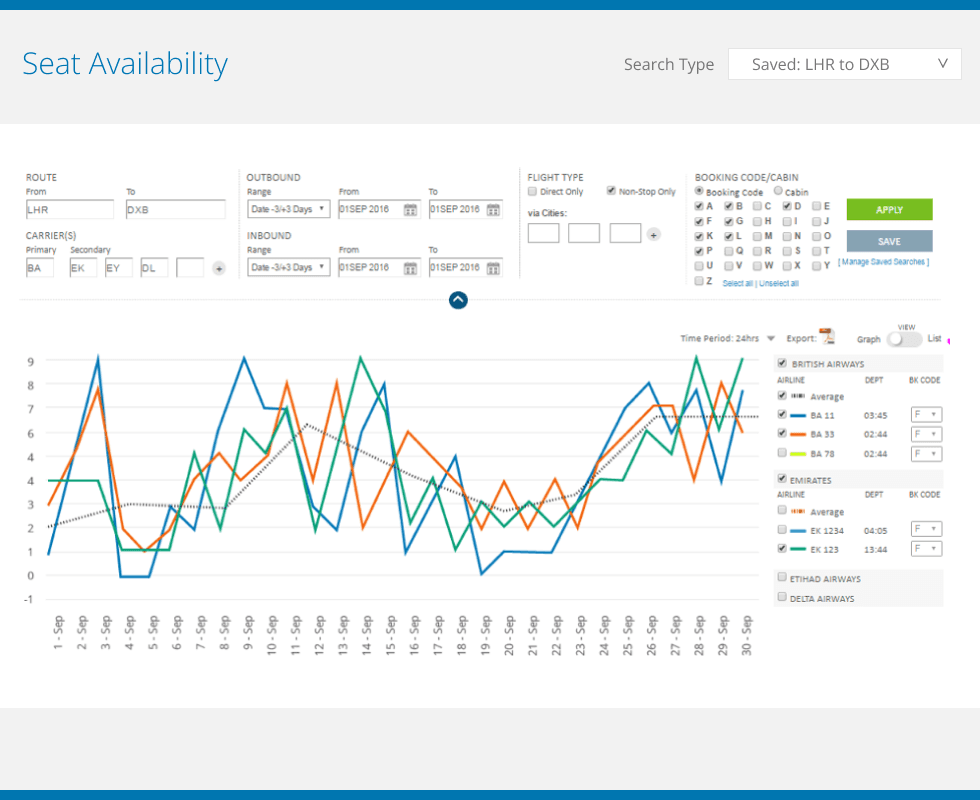
A dashboard concept designed to visualize fare and seat availability trends to support better booking decisions.
Historical pricing and availability trends
Airline and route comparison insights
Indicators for favorable purchase timing
Impact
Helped agencies make more informed booking decisions
Highlighted the strategic value of Travelport’s flight data
Explored opportunities for predictive booking guidance
business travel advisor
Context
Corporate travel managers must balance cost control, company policy, and traveler experience when recommending flights and hotels.
Concept
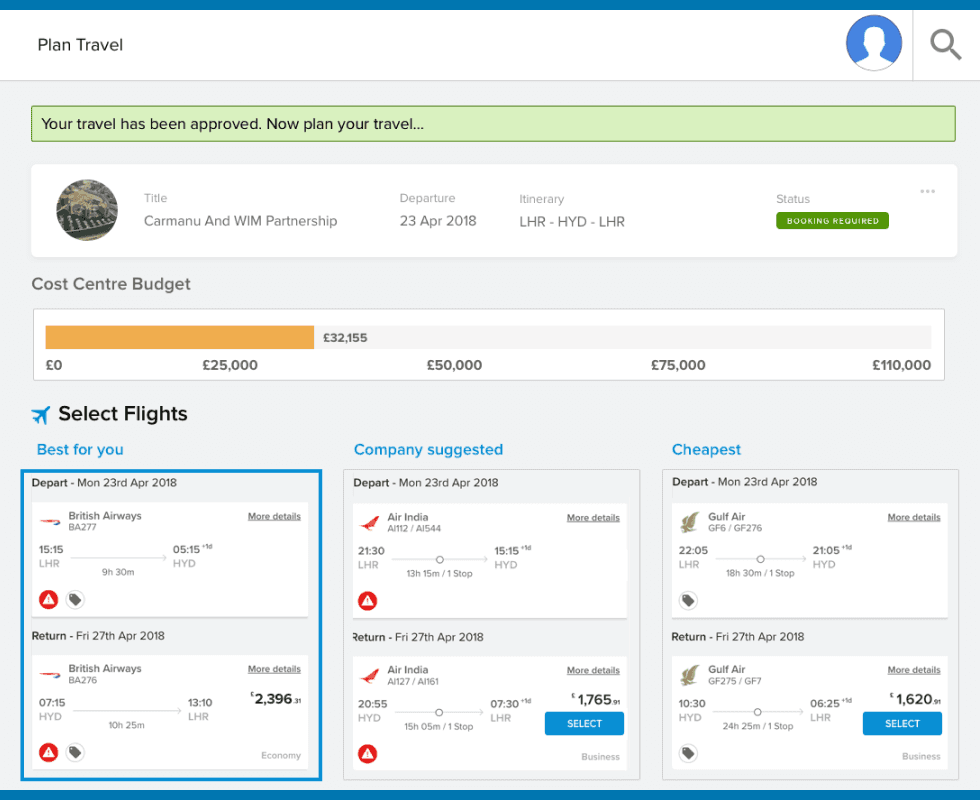
A policy-aware recommendation tool that combines company rules with traveler insights to guide booking decisions.
Policy-compliant flight and hotel recommendations
Community feedback on travel experiences
Contextual guidance during the booking process
Impact
Demonstrated how policy and traveler insights could be combined in booking tools
Supported more informed corporate travel decisions
Explored opportunities for smarter enterprise travel recommendations
Impact of Design Sprints
The design sprints helped Travelport explore complex product opportunities quickly while aligning stakeholders across product, engineering, and commercial teams.
By combining structured workshops with rapid prototyping and user validation, teams were able to evaluate new ideas and reduce product risk before committing engineering resources.
Several concepts informed product strategy discussions and helped leadership evaluate new opportunities across the travel ecosystem.
what this work demonstrates
Innovation Leadership
Led 10+ Google Design Sprints that brought cross-functional teams together to tackle complex enterprise challenges.
Workshop Facilitation
Guided product, engineering, and business leaders through structured collaboration to align on opportunities and solutions.
Rapid Product Discovery
Translated workshop outcomes into interactive prototypes that could be tested with users within days.
Travel Industry Expertise
Designed concepts grounded in real travel workflows including agency booking tools, airline data systems, and corporate travel platforms.


